Archives
- 2026-09
- 2026-08
- 2026-07
- 2026-06
- 2026-05
- 2026-04
- 2026-03
- 2026-02
- 2026-01
- 2025-12
- 2025-11
- 2025-10
- 2025-09
- 2025-03
- 2025-02
- 2025-01
- 2024-12
- 2024-11
- 2024-10
- 2024-09
- 2024-08
- 2024-07
- 2024-06
- 2024-05
- 2024-04
- 2024-03
- 2024-02
- 2024-01
- 2023-12
- 2023-11
- 2023-10
- 2023-09
- 2023-08
- 2023-07
- 2023-06
- 2023-05
- 2023-04
- 2023-03
- 2023-02
- 2023-01
- 2022-12
- 2022-11
- 2022-10
- 2022-09
- 2022-08
- 2022-07
- 2022-06
- 2022-05
- 2022-04
- 2022-03
- 2022-02
- 2022-01
-
It is noticeable that CO as well
2022-01-07
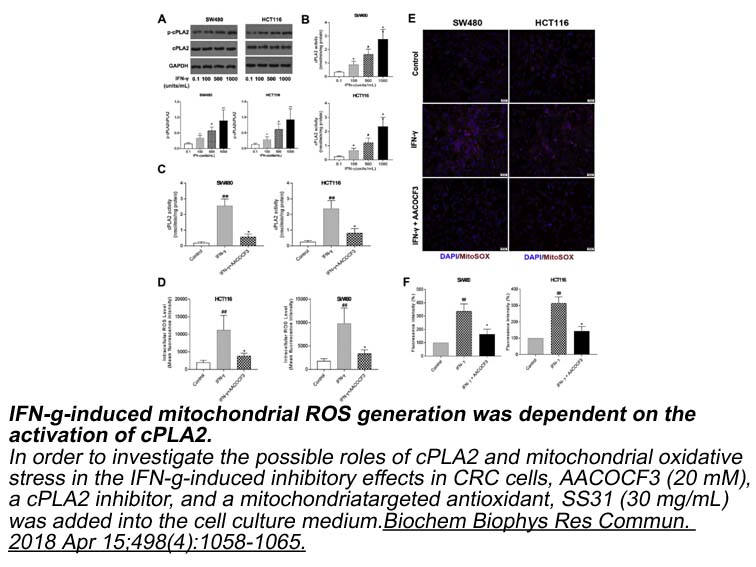
It is noticeable that CO as well as H. pylori suppresses apoptosis while it induces autophagy in AGS cells. The differential effects of CO on the activation of transcription factors responsible for regulating expression of apoptosis- and autophagy-related genes merit further investigation. In concl
-
Little is known about the endocrinological control of reprod
2022-01-06
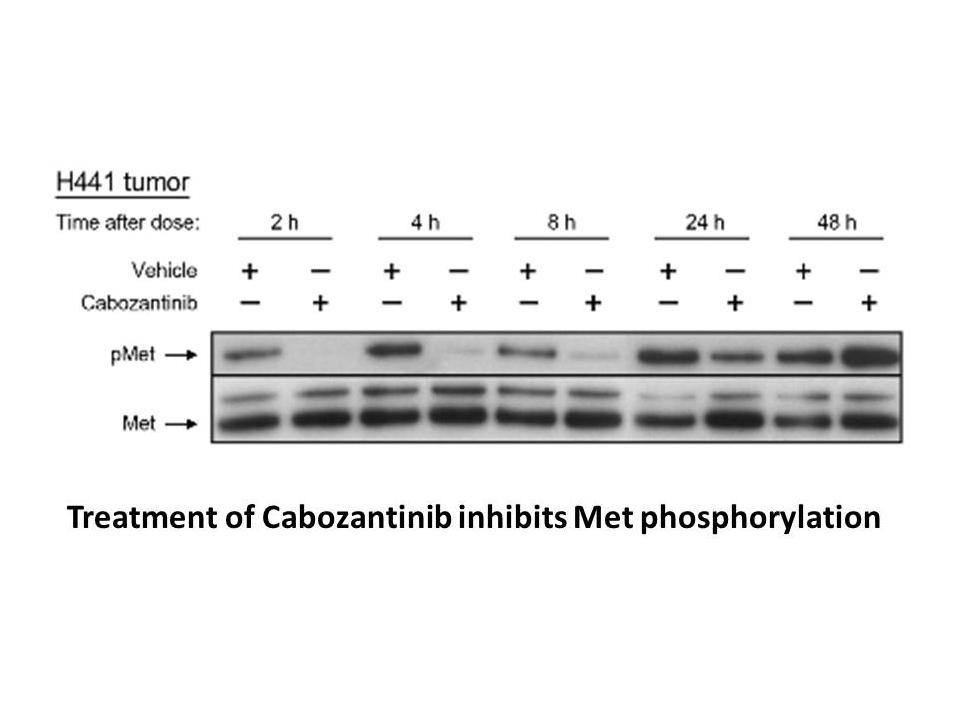
Little is known about the endocrinological control of reproduction in polychaetes. In vertebrates, gonadal maturation is regulated by the hypothalamo-pituitary-gonadal axis. GnRH, GTHs, and steroid hormones are involved in this axis (see Okubo and Nagahama, 2008). In two polychaete species, Perinere
-
br Materials and methods br Results br Discussion Common
2022-01-06
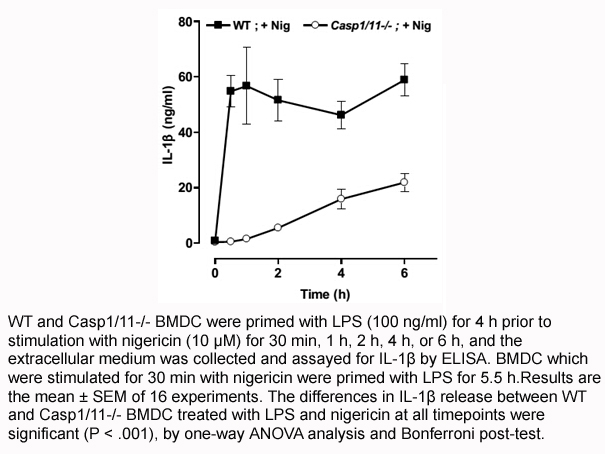
Materials and methods Results Discussion Common to catfish fry production, high stocking densities as well as intensive handling during transport can result in low dissolved oxygen levels (Abdalla and Romaire, 1996; Torrans et al., 2003), which can result in fish stress. It is not known at
-
br The GLI code The GLI code model
2022-01-06
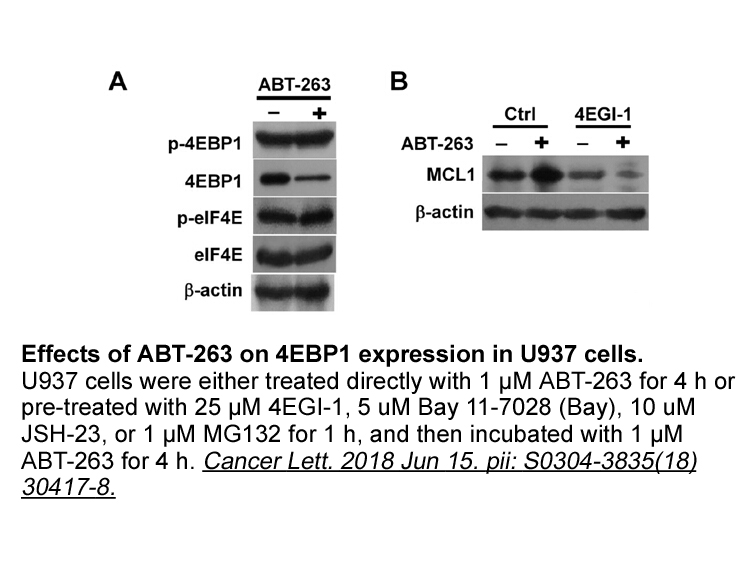
The GLI code The GLI code model [21], [22] considers the total GLI function as a balance of positive activator (GLIA) and negative repressive (GLIR) activities with GLI1 being mostly a positive transcription factor and GLI3 mostly a transcriptional repressor. The GLIA:GLIR ratio is thus critical,
-
SNL in rats led to
2022-01-06
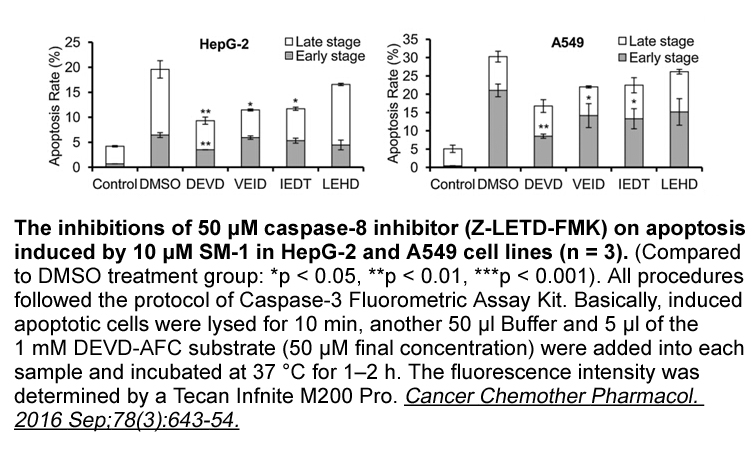
SNL in rats led to upregulated Panx1 mRNA and protein level in DRG but not in spinal cord, and immunostaining revealed increased Panx1 in DRG neurons [50]. Although it was not emphasized, Panx1 labeling in SGCs was also increased in this pain model. Intrathecal injection of Panx1 blockers or Panx1-s
-
br Conclusion and future directions GS is an
2022-01-06

Conclusion and future directions GS is an important therapeutic target for the treatment of Alzheimer's disease. Its structure and function have been studied during the last years to understand the substrate cleavage mechanism to modulate the Aβ42 peptide production. The recent elucidation of GS
-
In the thoracic spinal cord neither glacial
2022-01-06
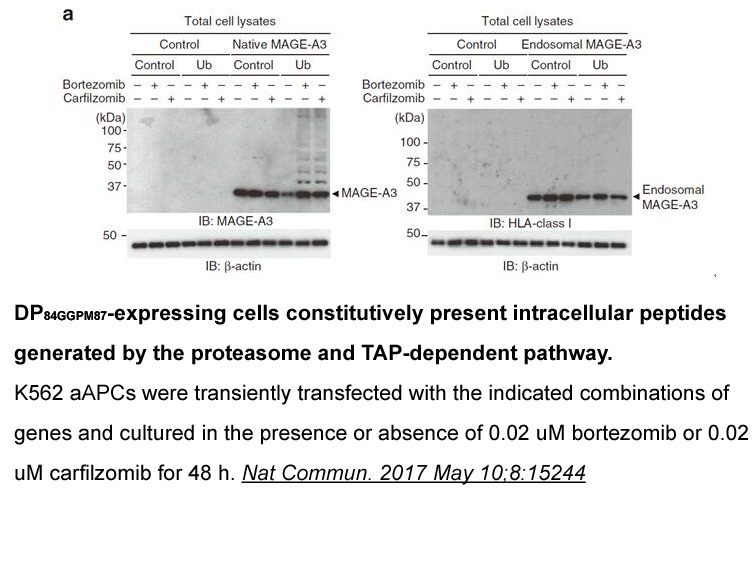
In the thoracic spinal cord, neither glacial acetic ZD 7288 nor HBO2 had an effect on nNOS expression or expression of the phosphorylated β3 subunit of the GABAA receptor. This result was not unexpected due to the preponderance of nociceptive signaling in the lumbar versus thoracic spinal cord. In
-
In addition to the type of
2022-01-06
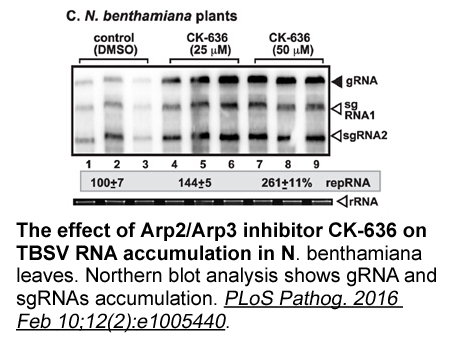
In addition to the type of food consumed, also the effect of calorie restriction (CR), i.e. an intermittent fasting and re-feeding cycles with concomitant fluctuations in the level of glucose and insulin, can affect the course of IBS through the modulation of the BA homeostasis. This type of nutriti
-
Fatty acids are also known to activate G protein
2022-01-06
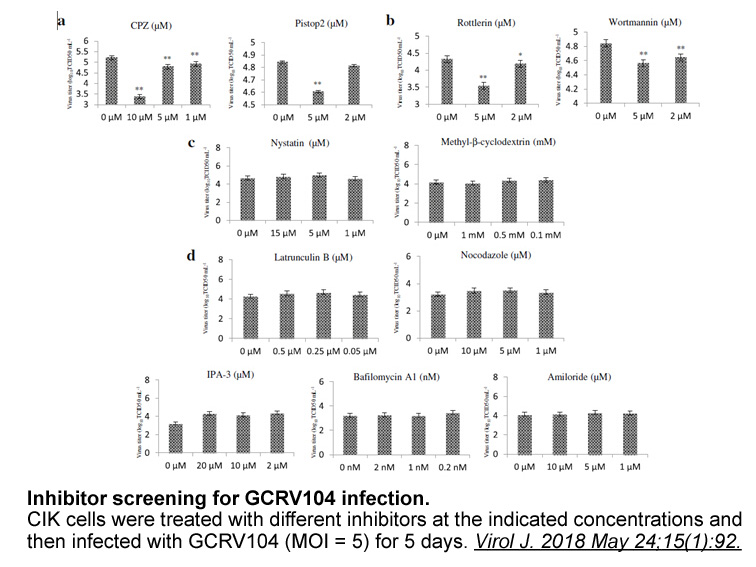
Fatty acids are also known to activate G-protein coupled receptors (GPCRs). LCFAs activate the GPCRs for free fatty MK 886 synthesis (FFA)1 and FFA4 (Briscoe et al., 2003; Hirasawa et al., 2005), whereas SCFAs activate FFA2 and FFA3 receptors, which are expressed in bovine neutrophils (Alarcon et a
-
Genetic contributions to this dysregulation of
2022-01-06
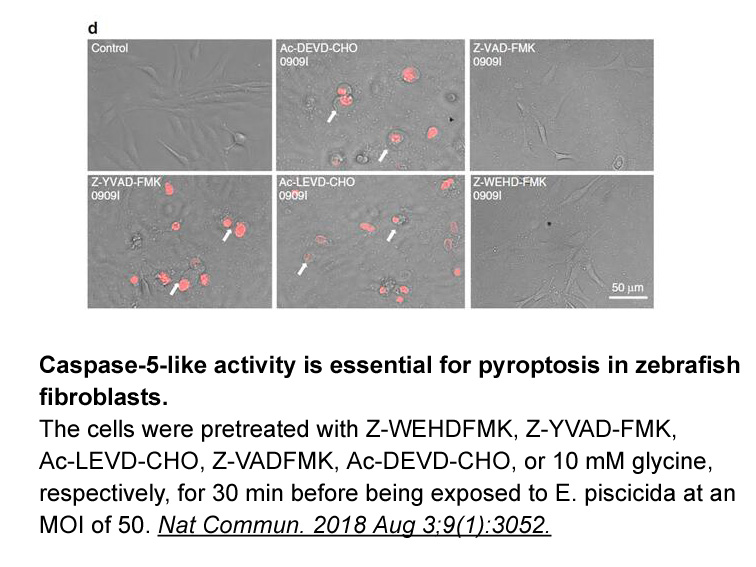
Genetic contributions to this dysregulation of expression have been studied, and significant associations have been found. The Fas −670 polymorphism is associated with preterm premature rupture of membranes, preeclampsia, as well as intrauterine growth restriction [7], [16]. The Fas SNP (−670 A>G) i
-
br Materials and methods br Results br
2022-01-06
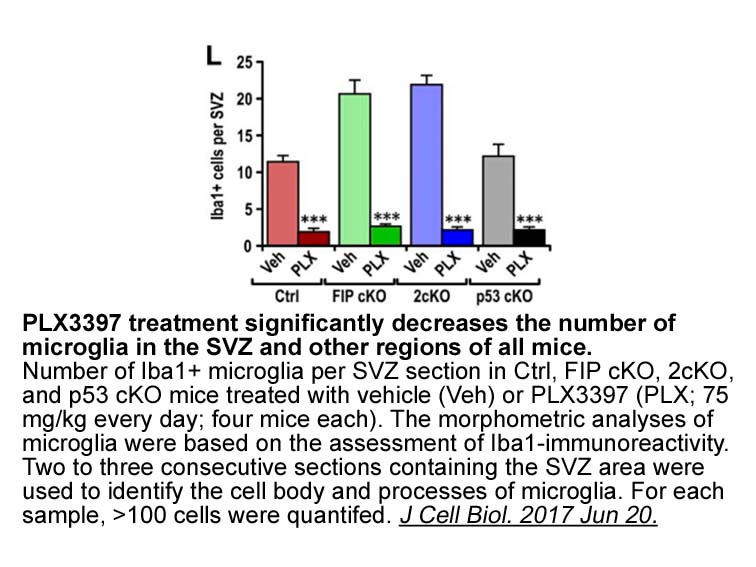
Materials and methods Results Discussion The major findings of the present study are that: 1) the response to inverse agonists may be crossregulated by the activation of either estrone H1 or H2 receptors, 2) histamine H1 and H2 receptor inverse agonists crossdesensitize the receptor´s resp
-
In conclusion studies of the regulation
2022-01-06
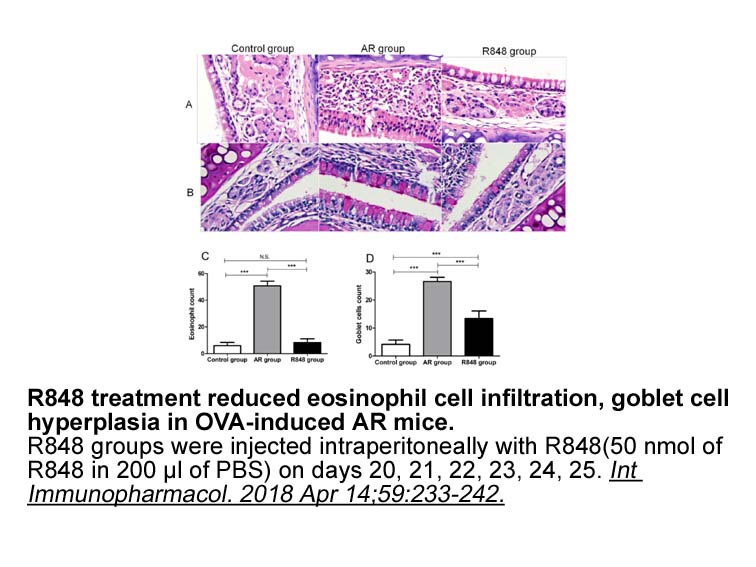
In conclusion, studies of the regulation of the HO-1/BVR/CO pathway by selective pharmacological approaches may lead to the discovery of novel compounds for the treatment of diverse diseases. Recent results validate the use of advances in targeting HO-1 in various vascular diseases. However, there a
-
Aurora kinase B AURKB and haploid cell
2022-01-05
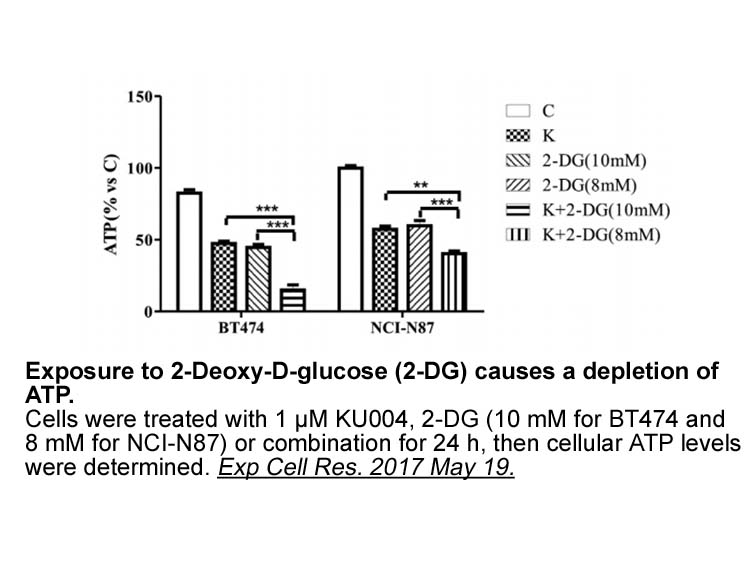
Aurora kinase B (AURKB) and haploid cell-specific protein kinase (Haspin) are two well-known participants in N-terminal histone H3 phosphorylations during mitosis. A related role played by these kinases relates to the fact that AURKB is activated by Haspin promoted phosphorylation at T3. Irrespectiv
-
br Acknowledgments This research was supported
2022-01-05
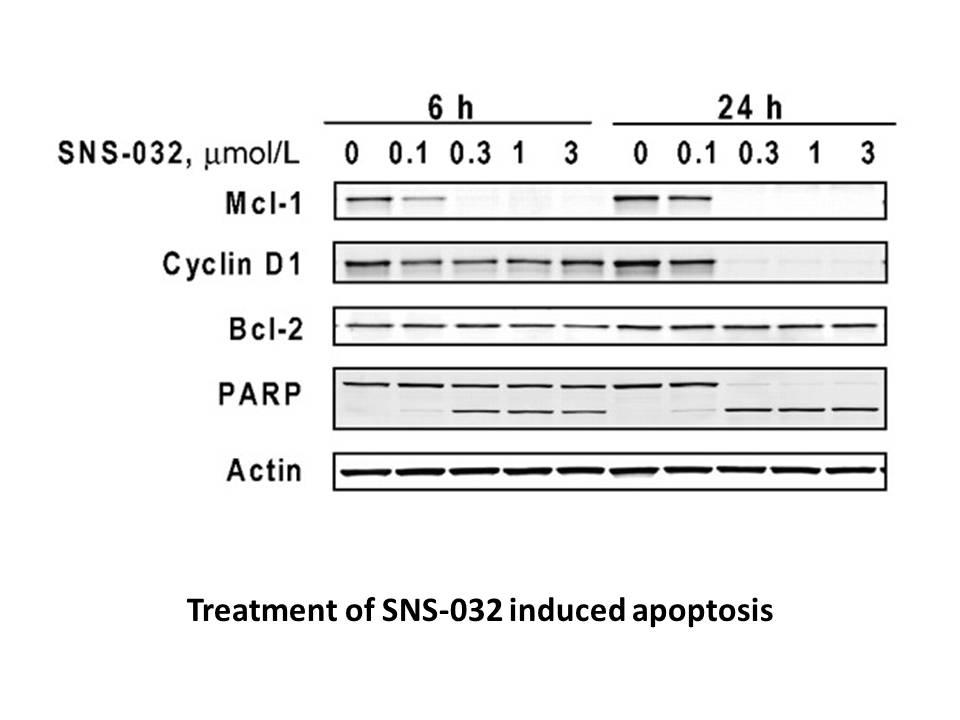
Acknowledgments This research was supported by the Czech Ministry of Education, Youth and Sports by grants MSM LH11013 and Czech Grant Agency (501/12/0590). David Kopečný and Martina Kopečná were supported by the grant LO1204 from the National Program of Sustainability I by the Ministry of Educat
-
BDA-366 australia Glucose uptake a critical metabolic contro
2022-01-05
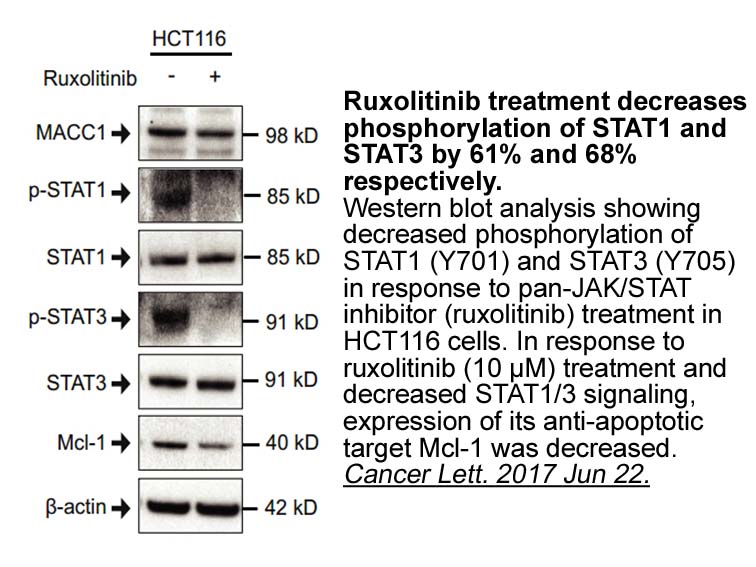
Glucose uptake, a critical metabolic control point in glycolysis, is mediated by the GLUT (SLC2) family of integral membrane transporters (Mueckler and Thorens, 2013). GLUT1 (SLC2A1), one of the most well-studied members of the SLC2 family, exhibits a wide tissue distribution; cell surface expressio
8480 records 563/566 page Previous Next First page 上5页 561562563564565 下5页 Last page